
Joi Dickerson-Neal Lawsuit Against Sean “Diddy” Combs, Sexual Assault Allegations Under New York’s Adult Survivors Act
Joi Dickerson-Neal filed a sexual assault lawsuit against Sean “Diddy” Combs in November 2023 alleging he drugged and sexually assaulted her in 1991, videotaped the assault without her consent, and distributed the footage as “revenge porn.” The case remains pending as of December 2025, filed under New York’s Adult Survivors Act—a groundbreaking law that opened a one-year window for survivors to seek justice regardless of when the assault occurred.
The lawsuit represents one of the first among 78 total sexual assault lawsuits filed against Combs and has drawn significant attention to survivor rights, civil accountability for sexual violence, and the legal framework enabling decades-old claims.
What Is the Joi Dickerson-Neal Lawsuit?
Dickerson-Neal filed her complaint in Manhattan Supreme Court on November 23, 2023—one day before the Adult Survivors Act deadline expired. The lawsuit names Sean Combs, Bad Boy Entertainment, Bad Boy Records, and Combs Enterprises as defendants, seeking unspecified compensatory damages for mental and emotional injury, distress, pain, suffering, and lifetime harm.
Key allegations include:
- Sexual assault and battery
- Intentional infliction of emotional distress
- Sex trafficking under New York law
- Revenge porn violations
- Gender-motivated violence
Dickerson-Neal is seeking compensatory damages and demands a trial by jury.
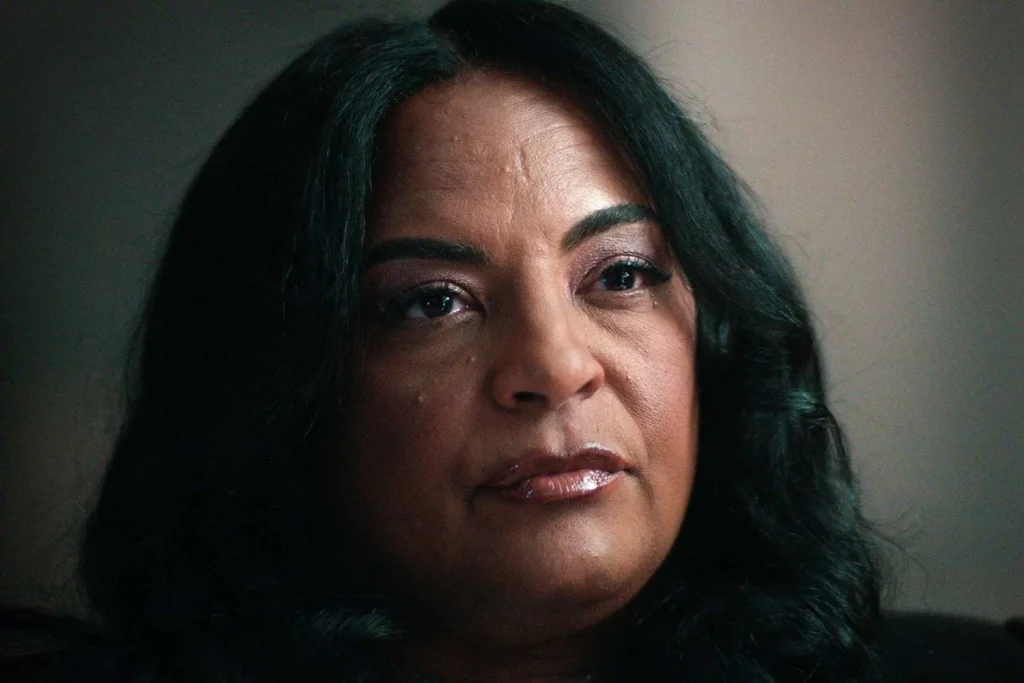
Who Is Joi Dickerson-Neal?
Joi Dickerson-Neal was born in 1970 in New York to Diane (née Graves) and George ‘Buddy’ Dickerson Jr., whose father passed away six months after she was born. She attended Syracuse University studying psychology while working as a music video promoter.
Dickerson-Neal and Combs met around 1989 while she was attending Syracuse University, occasionally running in the same circles as Combs was moonlighting as a party promoter. She appeared in a music video with him for “Straight from the Soul” by Finesse & Synquis—ironically, a song about treating women with respect.
Dickerson-Neal now resides in California after relocating from New York, having spent decades grappling with the alleged trauma while watching Combs rise to prominence in the music industry.
Related article: Abbott Lawsuit, Baby Formula NEC Litigation, Shareholder Derivative Claims, and Wage Disputes in 2025
What Are the Sexual Assault Allegations?
The Alleged January 1991 Assault
On January 3, 1991, during her winter break, Dickerson-Neal reluctantly agreed to an early dinner with Combs at Wells Restaurant in Harlem, known as “Home of Chicken and Waffles since 1938”. After taking Dickerson-Neal to dinner, Combs drove her to a recording studio.
During their date, Combs intentionally drugged Dickerson-Neal, resulting in her being in a physical state where she could not independently stand or walk. The suit said Dickerson-Neal recalled feeling “humiliated and hurt, yet she could not escape the assault,” and because she had been allegedly drugged, she said she “lacked the physical ability or mental capacity to fend Combs off”.
Driving first to a music studio where she could not get out of the car, Combs proceeded to a place he was staying to sexually assault her.
The “Revenge Porn” Allegations
Combs video recorded the sexual assault without Dickerson-Neal’s knowledge or consent. Days later, a male friend named DeVanté Swing, a member of the popular ’90s R&B group Jodeci, revealed to the woman that he viewed a “sex tape” along with other people.
Dickerson-Neal claims she was shown the explicit video footage Combs filmed of her by mutual friends and acquaintances, some of whom were in the music industry.
Long-Term Impact
Dickerson-Neal’s life went into a tailspin—she returned to college but soon had to be admitted into the hospital for severe depression and suicide ideation. She was left traumatized, which resulted in her dropping out of college and giving up her dreams of having a career in the music industry.
Dickerson-Neal ultimately left the music industry and moved to California, citing Combs’ rise and success as too painful to witness.
Related article: New York Blood Center and Memorial Blood Centers Data Breach $500K Settlement Pays $20 Cash or Up to $2,500—File Your Claim Before February 11, 2026
What Is the Adult Survivors Act?
Overview and Purpose
The Adult Survivors Act (ASA) is New York State legislation enacted in May 2022 which amended state law to allow alleged victims of sexual offenses for which the statute of limitations had lapsed to file civil suits for a one-year period, from November 24, 2022, to November 24, 2023.
Governor Kathy Hochul signed the Adult Survivors Act in May 2022, creating a one-year lookback window for survivors of sexual assault that occurred when they were over the age of 18 to sue their abusers regardless of when the abuse occurred.
Legal Framework
Before 2019, a three-year statute of limitations applied to civil suits for sexual misconduct in New York—in 2019, New York extended the statute of limitations for civil suits arising from sex crimes against adults to 20 years, but this extension was not retroactive.
The Adult Survivors Act covers:
- Sexual abuse under Article 130 of the Penal Law
- Forcible touching
- Sexual assault committed when the victim was 18 or older
- Incest as defined in Penal Law sections 255.26 and 255.27
Over 3,000 lawsuits were filed under the ASA before the window closed on November 24, 2023.
Why the Adult Survivors Act Matters
For many survivors, it may take years to come to terms with the trauma of sexual assault and feel ready to seek justice against an abuser, while possibly experiencing fear of retaliation or shame.
Enduring sexual abuse generally causes the survivor to experience a “trauma reaction”—it may take the survivor years fully to come to grips with the event, and they may need to complete that processing before they feel ready to come forward.
The Act enabled survivors like Dickerson-Neal—whose assault allegedly occurred 32 years before she filed suit—to pursue civil accountability when criminal prosecution was no longer possible and when the previous statute of limitations had long expired.

What Did Sean “Diddy” Combs Say in Response?
Initial Denial
Combs denied the allegation in a statement to TMZ, with a representative saying “This last-minute lawsuit is an example of how a well-intentioned law can be turned on its head—the 32-year-old story is made up and not credible. Mr. Combs never assaulted her and she implicates companies that did not exist. This is purely a money grab and nothing more”.
A spokesperson for Combs stated: “Because of Mr. Combs’ fame and success, he is an easy target for anonymous accusers who lie without conscience or consequence for financial benefit. The New York Legislature surely did not intend or expect the Adult Survivors Act to be exploited by scammers. The public should be skeptical and not rush to accept these bogus allegations”.
Motion to Dismiss
In April 2024, lawyers for Sean “Diddy” Combs filed a motion to dismiss some claims, arguing Combs cannot be sued because certain laws didn’t exist when Joi Dickerson-Neal made the allegations against him in 1991.
The music mogul’s lawyers want certain statutes from Dickerson-Neal’s claims such as revenge porn and human trafficking to be dismissed with prejudice.
Specific legal arguments:
- The New York Services for Victims of Human Trafficking Law wasn’t in effect until 2007—about 16 years after the incident took place
- The New York State Revenge Porn Law was not codified until 2019
- The New York City Victims of Gender-Motivated Violence Protection Law was passed in 2000, and the 2016 NYC Revenge Porn Law didn’t exist in 1991
On June 2, 2024, Bad Boy Entertainment Holdings and Combs Enterprises were dismissed from accusations brought by Joi Dickerson-Neal, citing the companies did not exist and as such could not have facilitated Sean Diddy Combs’ behavior.
Combs’ legal team argues that the assault claim should be dismissed because it doesn’t properly explain how Dickerson-Neal felt a real and immediate threat of harm.
What Is the Current Status of the Case?
As of December 2025, Joi Dickerson-Neal’s case with Combs is still pending. Dickerson-Neal presented an amended complaint erasing all charges against the business entities—now, only Diddy stands as the defendant.
The rapper responded in 2024 by requesting that her case be dismissed, denying ever even being alone with her before calling her claims “false” and “salacious”.
Separate Criminal Case
Though Dickerson-Neal’s case is still pending as of December 2025, Combs was found guilty of two unrelated counts of transportation to engage in prostitution and acquitted of sex trafficking and racketeering in July 2025—he was sentenced to four years behind bars in October 2025.
The civil lawsuit filed by Dickerson-Neal is separate from Combs’ federal criminal prosecution and conviction on prostitution-related charges.
What Does This Mean for Survivors?
Empowerment Through Legal Action
As Dickerson-Neal explained in a statement: “I am so thankful for the bravery of the other women that came forward, the Adult Survivors Act which opened up the filing window to seek justice, and the unwavering support from my attorneys. For 32 years, the only people I have been able to confide in were my close friends and therapists. I’m feeling as if the darkness has been lifted and I can freely move forward”.
Singer Cassie’s lawsuit against Combs was the impetus that “forced her to face his assault again,” according to the filing.
Trauma and Delayed Reporting
Dickerson-Neal said in The Reckoning: “This thing was incredibly devastating to my family. We don’t have money. The thing that we had was our pride. We carried ourselves well. We were pretty. We were intelligent. This is the basis of what I had. Self-respect”.
The case illustrates why extended statutes of limitations and lookback windows matter—survivors often need years or decades to process trauma before pursuing legal accountability.
Pattern of Allegations
In November 2023, singer Cassie Ventura sued Sean “Diddy” Combs under the Act, alleging that Combs subjected her to a decade-long “cycle of abuse, violence and sex trafficking”—one day after the complaint was filed, the parties settled the suit on undisclosed terms, with Combs not admitting any wrongdoing.
Since then, 78 total sexual assault lawsuits have been filed against Combs as of July 2025—a number of the accusers, both men and women, allege they were drugged and forcibly assaulted by the rapper or his associates, with some saying they were as young as 13 when it happened.
What Are the Legal Implications?
Civil vs. Criminal Accountability
The Dickerson-Neal lawsuit demonstrates how civil litigation can provide an avenue for accountability when:
- Criminal statutes of limitations have expired
- Criminal prosecution is not pursued
- Evidence standards differ from criminal cases
- Survivors seek financial compensation for harm
Retroactive Application of Laws
Combs’ motion to dismiss raises significant legal questions about whether laws enacted after an alleged assault—such as revenge porn statutes passed in 2016 and 2019—can be applied retroactively to conduct that occurred in 1991.
Courts will determine whether the Adult Survivors Act’s revival of time-barred claims extends to causes of action created by statutes that didn’t exist when the alleged conduct occurred.
Institutional Accountability
The lawsuit originally named Bad Boy Entertainment, Bad Boy Records, and Combs Enterprises as defendants, attempting to hold corporate entities accountable for enabling alleged abuse. These entities were later dismissed because they did not exist in 1991.
This highlights challenges in pursuing institutional accountability for historical abuse when organizations have since been created, dissolved, or restructured.
Timeline of Key Events
1989-1990: Dickerson-Neal and Combs meet while she attends Syracuse University and he works as a party promoter
January 3, 1991: Alleged sexual assault occurs after dinner at Wells Restaurant in Harlem
1991: Dickerson-Neal is hospitalized for severe depression and suicide ideation, drops out of college
May 2022: Governor Kathy Hochul signs the Adult Survivors Act into law
November 24, 2022: Adult Survivors Act lookback window opens
November 16, 2023: Cassie Ventura files lawsuit against Combs; case settles one day later
November 23, 2023: Dickerson-Neal files lawsuit in Manhattan Supreme Court
November 24, 2023: Adult Survivors Act lookback window closes after over 3,000 lawsuits filed
April 2024: Combs files motion to dismiss certain claims, arguing laws didn’t exist in 1991
June 2, 2024: Bad Boy Entertainment Holdings and Combs Enterprises dismissed as defendants
July 2025: Combs found guilty of two counts of transportation to engage in prostitution in separate federal criminal case; acquitted of sex trafficking and racketeering
October 2025: Combs sentenced to four years in prison for federal prostitution-related convictions
December 2025: Dickerson-Neal’s civil lawsuit remains pending
What Does This Mean for Similar Cases?
Precedent for Historical Claims
The Dickerson-Neal lawsuit represents a test case for the outer limits of the Adult Survivors Act’s protections. Courts’ rulings on:
- Whether laws enacted after alleged conduct can apply retroactively
- How survivors prove decades-old claims without physical evidence
- What constitutes sufficient pleading of emotional harm
These determinations will impact hundreds of other Adult Survivors Act cases still pending in New York courts.
National Movement
California is currently one year into a three-year look-back window, with legislation similar to New York’s bill—advocates hope that other states will follow suit and create their own look-back windows, giving survivors the opportunity to speak out and get justice.
New York’s Adult Survivors Act has inspired similar legislation nationwide, demonstrating how state-level reforms can expand survivor access to justice.
Institutional Reform
In New York, legislators are considering extending the act or eliminating the statute of limitations for sexual assault lawsuits completely.
The volume of cases filed under the Adult Survivors Act—over 3,000 lawsuits—has revealed the extent of historical sexual violence and institutional failures to address it, driving calls for permanent reform.
Frequently Asked Questions
Q: Can Joi Dickerson-Neal still file a lawsuit under the Adult Survivors Act?
No. The Adult Survivors Act window closed on November 24, 2023. Dickerson-Neal filed her lawsuit on November 23, 2023—one day before the deadline. No new lawsuits can be filed under this Act, though cases filed during the window can continue through litigation.
Q: Why did it take 32 years for Dickerson-Neal to file a lawsuit?
For many survivors, it may take years to come to terms with the trauma of sexual assault and feel ready to seek justice against an abuser, while possibly experiencing fear of retaliation or shame. Before the Adult Survivors Act, Dickerson-Neal’s claim would have been time-barred under New York’s statute of limitations. The Act specifically recognized that trauma delays reporting and created a mechanism for survivors to pursue justice regardless of when abuse occurred.
Q: What is the difference between the Adult Survivors Act and the Child Victims Act?
The ASA is modeled after the New York Child Victims Act of 2019, which established a one-year window (later extended by an additional year) for victims of child sexual abuse to sue, raising claims that otherwise would have been barred by the statute of limitations. The Child Victims Act applied to abuse that occurred when victims were minors (under 18), while the Adult Survivors Act applies to abuse that occurred when victims were 18 or older.
Q: Can Sean Combs be criminally prosecuted for the 1991 allegations?
Likely not. Criminal statutes of limitations for most sexual offenses would have expired decades ago for an alleged 1991 assault. Combs was separately found guilty of two unrelated counts of transportation to engage in prostitution in July 2025 and sentenced to four years in October 2025, but these convictions relate to different conduct than Dickerson-Neal’s allegations.
Q: What damages can survivors recover in Adult Survivors Act cases?
Dickerson-Neal is seeking compensatory damages for mental and emotional injury, distress, pain and suffering, and injury. Civil lawsuits can award financial compensation for medical expenses, therapy costs, lost wages, loss of earning capacity, emotional distress, and punitive damages in some cases.
Q: Will Dickerson-Neal’s case go to trial?
As of December 2025, her case with Combs is still pending. The case must survive Combs’ motion to dismiss before proceeding to discovery and potentially trial. Dickerson-Neal is seeking a trial by jury. Many civil cases settle before trial, though some survivors choose to pursue litigation regardless of settlement offers.
Q: How does Dickerson-Neal’s case relate to other lawsuits against Combs?
Since Dickerson-Neal filed her lawsuit, 78 total sexual assault lawsuits have been filed against Combs as of July 2025. Singer Cassie Ventura filed the first lawsuit under the Adult Survivors Act against Combs on November 16, 2023, which settled one day later. Dickerson-Neal’s lawsuit was the second filed and represents the oldest allegations against Combs—dating back to 1991.
Resources for Survivors
If you or someone you know has experienced sexual assault:
- National Sexual Assault Hotline: 1-800-656-HOPE (4673)
- RAINN (Rape, Abuse & Incest National Network): www.rainn.org
- New York State Office of Victim Services: 1-800-247-8035
Legal Disclaimer: This article provides information about civil litigation and should not be construed as legal advice. Survivors considering legal action should consult with qualified attorneys experienced in sexual assault civil litigation. The outcome of the Dickerson-Neal case remains pending as of December 2025.
Sources: This article is based on court filings from Manhattan Supreme Court, verified news reports from NBC News, Newsweek, Rolling Stone, People Magazine, AOL, The Cinema Holic, and official statements regarding the Adult Survivors Act from the New York Governor’s Office and New York State Legislature.
About the Author

Sarah Klein, JD, is a licensed attorney and legal content strategist with over 12 years of experience across civil, criminal, family, and regulatory law. At All About Lawyer, she covers a wide range of legal topics — from high-profile lawsuits and courtroom stories to state traffic laws and everyday legal questions — all with a focus on accuracy, clarity, and public understanding.
Her writing blends real legal insight with plain-English explanations, helping readers stay informed and legally aware.
Read more about Sarah