
Federal Tylenol Autism Lawsuit Dismissed – But 500+ Cases on Appeal Could Revive Litigation After Trump Admin Warning
Federal appeals court heard oral arguments on November 17, 2025, in a case that could revive over 500 Tylenol autism lawsuits dismissed in 2024. The Second Circuit Court of Appeals is deciding whether to reverse Judge Denise Cote’s dismissal after the Trump administration issued an FDA warning in September 2025 linking acetaminophen use during pregnancy to autism risk. Meanwhile, state court cases in California and Illinois continue toward trial, with one California case scheduled for April 2025.
Current Status: The federal multidistrict litigation (MDL No. 3043) was dismissed in August 2024 after Judge Cote excluded expert testimony linking prenatal Tylenol exposure to autism and ADHD. Plaintiffs appealed, and the Second Circuit heard arguments November 17, 2025, but has not yet ruled. If you took Tylenol during pregnancy and your child was diagnosed with autism or ADHD, you may still have legal options through state courts or if the appeal succeeds.
This guide covers the current lawsuit status, eligibility requirements, scientific evidence, compensation estimates, how to file, and what the September 2025 Trump administration warning means for pending litigation.
What Is the Tylenol Autism Lawsuit?
The Tylenol autism lawsuits allege that Johnson & Johnson, Kenvue (formerly Johnson & Johnson Consumer Inc.), and major retailers including Walmart, CVS, Walgreens, Target, Rite Aid, Safeway, Sam’s Club, 7-Eleven, Family Dollar, and Dollar Tree failed to warn consumers that taking acetaminophen (Tylenol) during pregnancy may increase the risk of autism spectrum disorder (ASD) and attention-deficit/hyperactivity disorder (ADHD) in children.
Parents claim manufacturers and retailers knew or should have known about research linking prenatal acetaminophen exposure to neurodevelopmental disorders but failed to include adequate warnings on product labels.
Key Allegations:
- Defendants marketed Tylenol and generic acetaminophen as safe for pregnancy use
- Internal research and published studies showed elevated autism/ADHD risks
- No warnings were added to product labels
- Pregnant women were not informed of potential neurodevelopmental risks
- Failure to warn constitutes negligence and breach of duty
MDL Case Details:
- Case name: In Re: Acetaminophen – ASD/ADHD Products Liability Litigation
- MDL number: MDL No. 3043
- Court: United States District Court for the Southern District of New York
- Judge: U.S. District Judge Denise L. Cote
- Status: Dismissed August 20, 2024; appeal pending before Second Circuit
- Appeal case numbers: 24-916; 24-2594
- Oral arguments: November 17, 2025
- Appellate court: U.S. Court of Appeals for the Second Circuit
Related Article: Jason Derulo Breaks Silence on Sexual Harassment Case: “Never Work With Women” – Lawsuit Refiled in New York After Double Dismissal
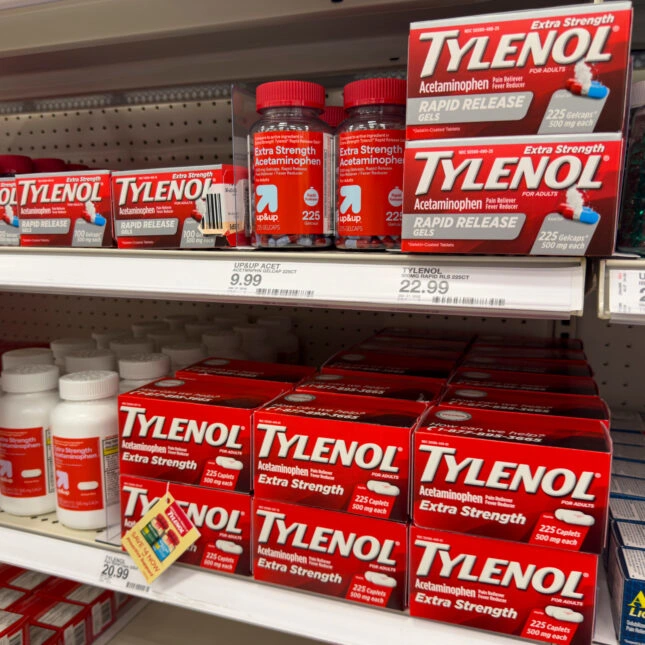
The September 2025 Trump Administration Warning: A Game-Changer?
On September 22, 2025, President Donald Trump announced that the FDA would warn doctors about a possible link between acetaminophen use during pregnancy and autism, dramatically reshaping the Tylenol litigation landscape.
What the Trump Administration Announced:
President Trump repeatedly stated: “Don’t take Tylenol if you’re pregnant, and don’t give Tylenol to your child,” urging pregnant women to “tough it out” rather than use the painkiller.
Health and Human Services Secretary Robert F. Kennedy Jr. stated the FDA would issue a physician notice and begin the process to initiate a safety label change for acetaminophen products.
The FDA’s Official Position (September 22, 2025):
The FDA issued a more measured statement than Trump’s remarks, announcing it initiated the process for a label change for acetaminophen to reflect evidence suggesting prenatal use may be associated with increased risk of autism and ADHD.
FDA Commissioner Dr. Marty Makary stated the agency is taking action to make parents and doctors aware of evidence about potential risks, while emphasizing that the choice still belongs with parents.
The FDA acknowledged that while an association has been described in studies, a causal relationship has not been established and there are contrary studies in the scientific literature.
What This Means for the Lawsuit:
The Trump administration’s September 2025 warning has breathed new life into the litigation. Plaintiffs argue that federal agencies are now relying on the same scientific research presented by their lead expert, Dr. Andrea Baccarelli, whose testimony Judge Cote excluded in 2023.
Plaintiffs filed a letter urging appellate judges to consider the government’s recent findings, noting that the FDA and other federal agencies relied on the same scientific research presented by Dr. Baccarelli, a Harvard public health dean who has studied the connection between acetaminophen exposure during pregnancy and autism risk.
The appellate court’s November 17, 2025 oral arguments suggest some judges may be sympathetic to plaintiffs’ arguments that expert testimony should have been admitted.
Current Status: Federal MDL Dismissed, Appeal Pending
Timeline of Key Events:
- October 5, 2022: JPML created MDL No. 3043 for coordinated federal litigation
- December 7, 2023: Judge Cote held Daubert hearings to evaluate expert testimony
- December 19, 2023: Judge Cote excluded all five plaintiff expert witnesses, dismissing their general causation evidence
- August 20, 2024: Judge Cote granted summary judgment, officially dismissing all 501 pending federal cases
- September 2024: Plaintiffs appealed the dismissal to the Second Circuit
- September 22, 2025: Trump administration issued FDA warning about acetaminophen and autism
- November 17, 2025: Second Circuit heard oral arguments on appeal
- December 2025: Appeal decision still pending
What Judge Cote Ruled:
Judge Cote found that plaintiffs’ scientific experts did not provide credible evidence linking Tylenol use during pregnancy to autism or ADHD. Judge Cote wrote that the unstructured approach adopted by plaintiffs’ experts permitted cherry-picking, allowed a results-driven analysis, and obscured the complexities, inconsistencies, and weaknesses in the underlying data.
The judge excluded expert testimony under Federal Rule of Evidence 702 and the Daubert standard, which requires scientific testimony to be based on reliable methods and sufficient data.
The Appeal:
At a hearing in November 2025, two judges of the three-judge panel on the U.S. Court of Appeals for the Second Circuit suggested some of the experts’ testimony may have been admissible.
Circuit Judge Guido Calabresi indicated the cases could have gone to a jury, suggesting that juries or courts should evaluate evidence rather than judges excluding it at the pretrial stage.
As of December 6, 2025, the Second Circuit has not issued a ruling. The appeal decision will determine whether the federal MDL is permanently dismissed or if the cases can proceed to discovery and trial.
State Court Cases Continue
While the federal MDL was dismissed, several state court cases filed before Judge Cote’s ruling remain active:
California Cases:
Davey Case (Alameda County, California):
- Trial date set for April 11, 2025
- Parties continue to exchange discovery
- State courts may apply different evidentiary standards than federal courts
Illinois Cases:
Bartle Case (St. Clair County, Illinois):
- Johnson & Johnson’s motion to dismiss based on federal preemption under advisement
- Status hearing scheduled
Cooksey Case (Madison County, Illinois):
- Defendants filed motions to dismiss plaintiff’s First Amended Complaint
- Fully briefed and scheduled for consideration
Why State Courts Matter:
State courts may apply the Frye standard for expert testimony rather than the federal Daubert standard. The Frye standard can be more permissive in some jurisdictions, potentially allowing expert testimony that was excluded in federal court.
The Scientific Evidence: What Studies Show
The litigation centers on whether scientific evidence establishes that prenatal acetaminophen exposure causes or increases the risk of autism and ADHD.
Studies Supporting a Link:
2019 Johns Hopkins Study (JAMA Psychiatry): Researchers measured acetaminophen levels in umbilical cord blood from nearly 1,000 mother-child pairs. Children with the highest levels of acetaminophen in their cord blood were roughly three times more likely to be diagnosed with autism or ADHD later on, compared with kids that had the lowest levels in their cord blood.
August 2025 Mount Sinai Meta-Analysis (BMC Environmental Health): Researchers at the Icahn School of Medicine at Mount Sinai reviewed 46 studies and found that prenatal exposure to acetaminophen may increase the risk of neurodevelopmental disorders, including autism spectrum disorder and ADHD, in children.
The analysis revealed a 20% higher risk of autism and a 30% higher risk of ADHD for children who had prolonged exposure to acetaminophen in the womb.
2021 Nature Consensus Statement: 91 scientists and doctors signed a consensus statement recommending cautioning pregnant women to avoid Tylenol unless medically necessary due to potential neurodevelopmental risks.
Studies Finding No Link:
April 2024 NIH-Funded Study (JAMA): A study funded by the National Institutes of Health and published in JAMA found that using acetaminophen during pregnancy was not linked to an increased risk of autism, ADHD or intellectual disability in children.
November 2025 BMJ Review: A review published in the BMJ found no clear evidence of a link between acetaminophen use in pregnancy and autism or ADHD in children.
The Scientific Debate:
The FDA noted that while an association between acetaminophen and neurological conditions has been described in many studies, a causal relationship has not been established and there are contrary studies in the scientific literature.
The conflicting evidence is at the heart of the legal battle. Defendants argue the science is insufficient to prove causation. Plaintiffs argue the weight of evidence supports an association that consumers should have been warned about.
Who Is Eligible to File a Tylenol Autism Lawsuit?
You may be eligible to join the litigation if:
Eligibility Criteria:
- Acetaminophen use during pregnancy: You took Tylenol or generic acetaminophen during pregnancy, particularly during the second or third trimester
- Child’s diagnosis: Your child was later diagnosed with autism spectrum disorder (ASD), attention-deficit/hyperactivity disorder (ADHD), or related neurodevelopmental disorders
- Timing: The diagnosis occurred after prenatal exposure to acetaminophen
- Proof of use: You have receipts, medical records, or other documentation of Tylenol purchase or use during pregnancy
Stronger Cases Typically Involve:
- Regular or chronic acetaminophen use throughout pregnancy (not just occasional use)
- Higher doses or prolonged exposure during second and third trimesters
- Clear documentation of prenatal Tylenol use
- Medical records confirming autism or ADHD diagnosis
- Minimal other risk factors for autism/ADHD
Exclusions:
- Cases where statute of limitations has expired (varies by state, typically 2-4 years from diagnosis or discovery)
- Insufficient documentation of prenatal acetaminophen use
- Strong genetic or other risk factors that could explain the diagnosis
- Child does not have a formal autism or ADHD diagnosis
Expected Compensation Amounts
No settlements have been reached yet in the Tylenol autism litigation. Compensation estimates are based on similar pharmaceutical and product liability cases.
Estimated Settlement Ranges (If Litigation Succeeds):
Per-Case Estimates:
- $50,000 to $500,000+ depending on case strength and severity
- Some legal analysts estimate $300,000 to $600,000 per case
- Severe cases with extensive medical needs could exceed $1 million
Factors Affecting Compensation:
Severity of Condition:
- Level of autism spectrum disorder (mild, moderate, severe)
- Impact on child’s daily functioning and quality of life
- Need for ongoing therapy and support services
Medical Expenses:
- Past and future costs of diagnosis and treatment
- Therapy costs (speech, occupational, behavioral)
- Special education expenses
- Medical equipment or assistive devices
Economic Damages:
- Lost wages for parents providing care
- Loss of child’s future earning capacity
- Home modifications for special needs
Non-Economic Damages:
- Pain and suffering
- Emotional distress
- Loss of quality of life
- Loss of normal childhood experiences
Documentation Strength:
- Clear proof of prenatal Tylenol use
- Medical records linking exposure to diagnosis
- Expert testimony supporting causation
Important Notes:
- These are estimates only; no settlements have been finalized
- Federal MDL dismissal makes compensation less certain
- State court cases may yield different results
- Appeal outcome will significantly impact settlement values
- If federal dismissal is upheld, compensation may not be available
How to File a Tylenol Autism Lawsuit
Step 1: Gather Documentation
Collect evidence of your case:
- Prenatal medical records
- Receipts or records of Tylenol purchases during pregnancy
- Pharmacy records showing acetaminophen prescriptions
- Child’s autism or ADHD diagnosis records
- Medical treatment records
- Therapy and education records
- Photos or videos documenting child’s condition
Step 2: Consult a Product Liability Attorney
Find an attorney experienced in pharmaceutical litigation and mass torts. Most Tylenol autism lawyers offer:
- Free initial consultations
- No upfront costs
- Contingency fee arrangements (paid only if you win)
- Case evaluation to determine eligibility
Step 3: Case Review and Filing
Your attorney will:
- Review your documentation
- Evaluate case strength
- Determine the best jurisdiction (state vs. federal, if federal cases are revived)
- File your lawsuit before statute of limitations expires
- Handle all legal procedures and court filings
Step 4: Discovery and Evidence
If your case proceeds:
- Both sides exchange evidence and documents
- Medical experts review your case
- Depositions may be taken
- Scientific evidence is presented
- Your attorney builds your case
Step 5: Settlement Negotiations or Trial
- Most cases settle before trial
- Settlement negotiations may occur if defendants make offers
- If no settlement, case proceeds to trial
- Jury determines liability and damages
Current Litigation Considerations:
- Federal cases: Currently dismissed; wait for Second Circuit appeal decision
- State cases: Can be filed now in jurisdictions where statutes of limitations haven’t expired
- Timing: Act quickly as statutes of limitations vary by state (typically 2-4 years from diagnosis or discovery)
Statute of Limitations: Time Limits to File
Each state has different time limits for filing product liability lawsuits. Missing the deadline means losing your right to compensation.
Typical State Deadlines:
- 2 years: Some states require filing within 2 years of diagnosis or discovery
- 3 years: Many states allow 3 years from when injury was or should have been discovered
- 4 years: Some states provide 4-year windows
Discovery Rule:
Many states apply a “discovery rule” where the clock starts when you discovered or reasonably should have discovered the link between Tylenol and your child’s condition. Given that research on this link has emerged recently, some plaintiffs may argue their claims are timely even if the diagnosis occurred years ago.
Minors Exception:
Some states toll (pause) the statute of limitations for minors, allowing children to file claims after reaching age 18.
Consult an Attorney Immediately:
Given the complexity of statute of limitations rules and the ongoing appeal, consult an attorney as soon as possible to protect your rights.
What Defendants Are Arguing
Defendants have vigorously fought these lawsuits on multiple grounds:
Federal Preemption:
Johnson & Johnson and other defendants argue that federal law preempts state law claims because the FDA regulates over-the-counter drug labeling. They contend they cannot add warnings without FDA approval, so state courts cannot hold them liable for failure to warn.
Some courts have rejected this argument, finding that failure to warn claims are not preempted.
Insufficient Scientific Evidence:
Kenvue stated that rigorous research, endorsed by leading medical professionals, confirms there is no credible evidence that shows taking acetaminophen causes neurodevelopment disorders such as autism and ADHD.
Defendants argue the scientific evidence is conflicting, inconsistent, and insufficient to prove causation.
Expert Testimony Unreliable:
In the federal MDL, defendants successfully argued that plaintiffs’ expert witnesses used flawed methodologies and cherry-picked data, leading Judge Cote to exclude their testimony.
Medical Consensus Supports Safety:
Major medical organizations including the American College of Obstetricians and Gynecologists and the American Academy of Pediatrics continue to recommend acetaminophen as the safest pain reliever during pregnancy.
Company Statement (September 2025):
Kenvue stated that acetaminophen is the safest pain reliever option for pregnant women as needed throughout their entire pregnancy, and that without it, women face dangerous choices including suffering through conditions like fever that are potentially harmful to both mom and baby or using riskier alternatives.
Medical Consensus vs. Trump Administration Warning
The September 2025 Trump administration warning created confusion and conflict with established medical guidance.
Medical Organizations’ Position:
American College of Obstetricians and Gynecologists (ACOG): ACOG stated that acetaminophen is one of the few options available to pregnant patients to treat pain and fever, and that when considering medication use in pregnancy, it’s important to consider all potential risks along with any benefits.
Society for Maternal-Fetal Medicine: The Society recommends using acetaminophen to treat fever and pain in pregnant women, noting that untreated fever can cause grave harms such as miscarriage, birth defects or premature birth, especially early in pregnancy.
Risks of Not Treating Fever and Pain:
Untreated fever, particularly in the first trimester, increases the risk of miscarriage, birth defects, and premature birth, while untreated pain can be linked to depression and high blood pressure.
The Dilemma for Pregnant Women:
Medical experts note that other pain relievers like aspirin and ibuprofen (NSAIDs) have well-documented adverse effects on the fetus, making acetaminophen the only recommended over-the-counter option for fever and pain during pregnancy.
Scientific Community Response to Trump Warning:
Co-author Dr. Baccarelli from the Mount Sinai meta-analysis stated that as the only approved medication for pain and fever reduction during pregnancy, acetaminophen remains an important tool for pregnant patients and their physicians.
Multiple researchers whose work was cited by the Trump administration expressed concern that the warning was premature and not supported by definitive evidence of causation.
How the Appeal Could Change Everything
The Second Circuit’s decision on the appeal could have sweeping consequences:
If Plaintiffs Win the Appeal:
- Expert testimony would be reinstated
- Federal MDL cases would be revived and remanded for further proceedings
- Discovery and evidence gathering would resume
- Cases could proceed to bellwether trials
- Settlement negotiations would likely intensify
- Hundreds of additional cases could be filed
- Could lead to settlements in the hundreds of millions or billions
If Defendants Win the Appeal:
- Federal MDL dismissal would stand
- All federal cases would be permanently dismissed
- Plaintiffs’ only options would be state courts
- Settlement pressure would decrease significantly
- Case values would likely be lower
- Fewer attorneys would take new cases
The Trump Warning’s Impact on Appeal:
The September 2025 FDA warning significantly strengthens plaintiffs’ appellate arguments. Plaintiffs contend that if federal health agencies find the same scientific evidence credible enough to issue public warnings and change drug labels, federal courts should not have excluded that evidence from the courtroom.
The appellate panel’s November 17, 2025 hearing suggested receptiveness to this argument, with judges questioning whether Judge Cote’s exclusion exceeded proper judicial gatekeeping limits.
Alternative Legal Options: Baby Food Autism Lawsuits
Some families affected by autism may have alternative claims related to toxic metals in baby food.
If your child consumed baby food products and was later diagnosed with autism, you may be eligible for baby food autism lawsuits alleging that toxic metals (arsenic, lead, cadmium, mercury) in baby food contribute to neurodevelopmental disorders.
Baby Food Lawsuits May Apply If:
- Your child is 6 years old or younger
- Your child has autism
- Your child consumed commercial baby food products
- You have records or receipts of baby food purchases
Some Tylenol attorneys are now also pursuing baby food claims as an alternative or additional avenue for compensation.
Texas Attorney General Sues Tylenol Makers
In October 2025, Texas Attorney General Ken Paxton sued Johnson & Johnson and Kenvue, claiming they deceptively marketed Tylenol to pregnant women despite knowing about potential risks.
The state lawsuit adds pressure on defendants and could influence other state attorneys general to file similar actions, potentially leading to broader regulatory changes or state-level settlements.
Frequently Asked Questions
Q: Can I still file a Tylenol autism lawsuit in 2025?
Yes, but with limitations. Federal MDL cases are currently dismissed pending appeal. You can file in state court if your state’s statute of limitations hasn’t expired. Consult an attorney immediately to evaluate your options.
Q: How much compensation can I receive?
No settlements have been reached. Estimates range from $50,000 to $500,000+ per case, with severe cases potentially exceeding $1 million. Actual amounts depend on case specifics, appeal outcome, and whether cases settle or go to trial.
Q: What is the deadline to file?
Deadlines vary by state (typically 2-4 years from diagnosis or discovery). Some states may apply a “discovery rule” based on when you learned of the Tylenol-autism link. Contact an attorney immediately to determine your deadline.
Q: Do I need proof I took Tylenol during pregnancy?
Yes. Stronger cases have receipts, medical records, pharmacy records, or other documentation. Some cases may proceed based on credible testimony if documentation is unavailable, but proof strengthens your case significantly.
Q: What if I took generic acetaminophen instead of Tylenol brand?
You can still file. Lawsuits target all acetaminophen manufacturers and retailers, not just Tylenol brand products.
Q: Will the Trump administration warning help my case?
Potentially yes. The September 2025 FDA warning strengthens plaintiffs’ arguments that the scientific evidence is credible. The Second Circuit appeal may be influenced by the government’s acknowledgment of risk.
Q: When will the Second Circuit decide the appeal?
Unknown. The court heard oral arguments November 17, 2025, but has not issued a timeline for its decision. Appeals can take months to over a year to resolve.
Q: What happens if the appeal is denied?
If the Second Circuit upholds the dismissal, federal litigation ends. State court cases would continue as the only option, with potentially lower settlement values and fewer attorneys taking cases.
Q: Can I join a class action?
The Tylenol litigation is structured as an MDL (multidistrict litigation), not a traditional class action. Each case is evaluated individually. You must file your own lawsuit through an attorney.
Q: How long will this take?
Unknown. The appeal could take months to a year. If revived, federal cases could take 2-5+ years to reach settlements or trials. State cases currently proceeding may resolve sooner.
Q: Are there any costs to file?
Most Tylenol autism attorneys work on contingency, meaning no upfront costs and they’re paid only if you win. Initial consultations are typically free.
Q: Should pregnant women stop taking Tylenol now?
This is a medical decision. The FDA and major medical groups state acetaminophen remains the safest option for fever and pain during pregnancy when medically necessary. Untreated fever poses documented risks. Consult your obstetrician about your specific situation.
What This Means for Affected Families
If You Took Tylenol During Pregnancy and Your Child Has Autism or ADHD:
Act Quickly:
- Consult an attorney immediately to protect your rights
- Statute of limitations may be running
- Early filing preserves your legal options
Document Everything:
- Gather medical records, receipts, and evidence
- Organize your child’s diagnosis and treatment records
- Keep all documentation in one place
Stay Informed:
- Monitor the Second Circuit appeal decision
- Follow developments in state court cases
- Check with your attorney for updates
Consider Your Options:
- Evaluate both federal (if revived) and state court options
- Explore alternative claims (baby food lawsuits) if applicable
- Discuss with your attorney which jurisdiction offers the best chance of success
Protect Your Family’s Future:
- Potential compensation could help pay for therapy, special education, medical care
- Holding companies accountable may lead to better warnings for future families
- Your case contributes to establishing legal precedent for consumer protection
Key Takeaways
Current Litigation Status:
- Federal MDL dismissed August 2024; appeal pending before Second Circuit
- Oral arguments held November 17, 2025; decision awaited
- State court cases proceeding in California, Illinois, and other jurisdictions
- California trial scheduled for April 2025
Trump Administration Impact:
- September 2025 FDA warning linked acetaminophen to autism risk
- FDA initiated label change process
- Strengthens plaintiffs’ appellate arguments
- Creates conflict with established medical consensus
Scientific Evidence:
- Studies show conflicting results on Tylenol-autism link
- August 2025 Mount Sinai meta-analysis found 20-30% increased risk
- 2019 Johns Hopkins study found 3x higher risk with high exposure
- April 2024 NIH study found no link
- Causation remains disputed
Legal Options:
- Federal cases await appeal decision
- State court cases can be filed now
- Statute of limitations varies by state (2-4 years typically)
- Baby food lawsuits offer alternative claims for some families
Compensation:
- No settlements yet
- Estimates: $50,000 to $500,000+ per case
- Severe cases potentially exceeding $1 million
- Actual amounts depend on appeal outcome and case specifics
Immediate Action Required:
- Consult attorney immediately
- Gather documentation
- File before statute of limitations expires
- Monitor Second Circuit appeal
For Legal Representation:
Contact a product liability attorney experienced in pharmaceutical litigation and mass torts. Most offer free consultations and work on contingency (no fees unless you win).
Medical Guidance:
This article provides legal information only. For medical advice about acetaminophen use during pregnancy, consult your obstetrician or healthcare provider.
Last Updated: December 6, 2025
Sources: Court documents from In Re: Acetaminophen – ASD/ADHD Products Liability Litigation (MDL No. 3043), U.S. Court of Appeals for the Second Circuit (Case Nos. 24-916; 24-2594), FDA press releases dated September 22, 2025, HHS announcements, ABC News coverage from November 2025, verified reporting from Drugwatch, CNN, NPR, NBC News, and legal analysis from multiple law firm updates through November 2025.
About the Author

Sarah Klein, JD, is a licensed attorney and legal content strategist with over 12 years of experience across civil, criminal, family, and regulatory law. At All About Lawyer, she covers a wide range of legal topics — from high-profile lawsuits and courtroom stories to state traffic laws and everyday legal questions — all with a focus on accuracy, clarity, and public understanding.
Her writing blends real legal insight with plain-English explanations, helping readers stay informed and legally aware.
Read more about Sarah