
29 States Demand One Trial for Meta, “Instagram Is a Drug, We’re Basically Pushers” Says Company’s Own Research
Twenty-nine state attorneys general filed a December 12, 2025 brief demanding a single trial to prove Meta knowingly designed Facebook and Instagram to addict children. First trials begin February 2026 (New Mexico) and late 2026 (federal court). Meta faces 1,867 lawsuits alleging platforms cause teen anxiety, depression, and suicide.
What Is the Meta Social Media Addiction Lawsuit?
Multiple lawsuits claim Meta deliberately designed addictive features targeting youth despite knowing the mental health risks.
Key Allegations:
- Meta created features to maximize teen engagement for advertising revenue
- Company buried its own research showing platforms harm youth mental health
- Infinite scroll, autop lay, appearance-altering filters, and push notifications engineered for compulsion
- Meta failed to warn parents or teens about addiction risks
Who’s Suing:
- 29 state attorneys general (multi-state coordinated action)
- 1,867 individual plaintiffs (teens, parents, families)
- School districts across the US
- Wrongful death cases (teen suicides linked to social media)
Defendants: Meta Platforms Inc., Instagram, Facebook (also lawsuits against TikTok, Snapchat, YouTube)
Courts:
- Federal MDL: Case No. 4:22-md-03047, Northern District of California, Judge Yvonne Gonzalez Rogers
- California State: JCCP, Los Angeles Superior Court, Judge Carolyn B. Kuhl
- Individual state courts (Massachusetts, New Mexico, Utah, others)
Related article: More Than 72,000 Ram Trucks Recalled for Blank Instrument Displays—Is Yours Affected?
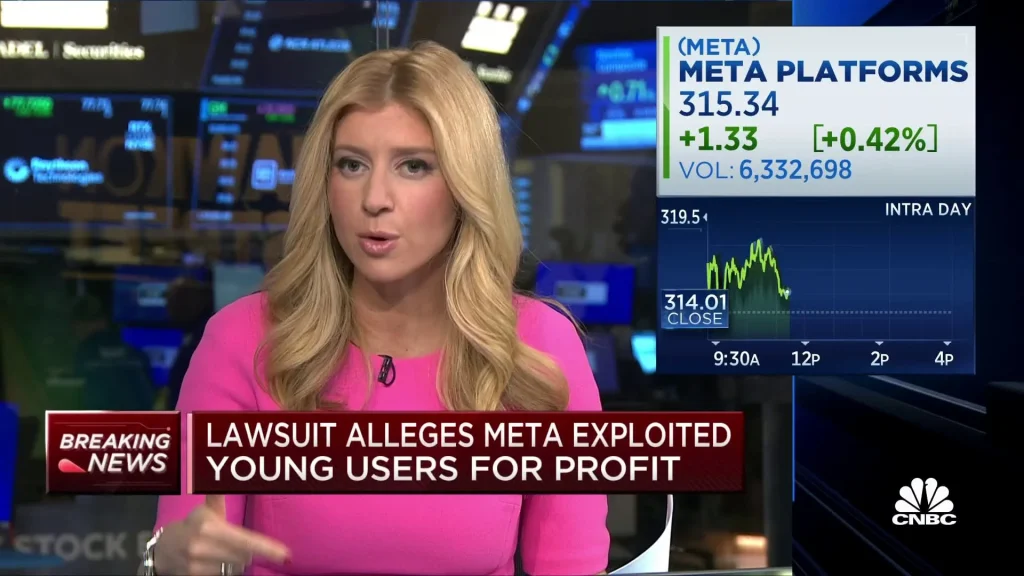
The Smoking Gun: Meta’s Internal Documents
A November 2025 unsealed 235-page brief reveals Meta’s own employees knew Instagram and Facebook were harming kids.
What Meta Researchers Said Internally:
“IG (Instagram) is a drug … we’re basically pushers.”
- Meta researchers, internal chat
“We make body image issues worse for one in three teen girls.”
- Meta internal study on Instagram’s impact
Snapchat Executives: “Users who have the Snapchat addiction have no room for anything else. Snap dominates their life.”
YouTube Staffers: “Driving more frequent daily usage [was] not well-aligned with … efforts to improve digital wellbeing.”
Meta Buried Research Showing Harm
The Canceled Facebook Quit Study (2019):
Meta planned a Nielsen partnership study asking users to quit Facebook and Instagram for one month to measure mental health effects.
Pilot Results: After just ONE WEEK without Facebook, users reported:
- Lower depression
- Lower anxiety
- Lower loneliness
- Less negative social comparison
Meta’s Response: Stopped the research project entirely.
Why? One Meta employee warned: “If the results are bad and we don’t publish and they leak, is it going to look like tobacco companies doing research and knowing cigs were bad and then keeping that info to themselves?”
The 29 States’ Single Trial Proposal
Filed: December 12, 2025
What They Want: One consolidated jury trial proving Meta engaged in nationwide misconduct harming children.
The Arguments:
Efficiency:
- Single presentation of evidence proves company-wide conduct
- Avoids 19+ repetitive trials over several years
- Reduces court burden and litigation costs
Nationwide Conduct:
- Meta’s alleged misconduct affected all states the same way
- Same platforms, same features, same harm
- Evidence applies equally regardless of which state
Judicial Economy:
- Years of continuous litigation avoided
- One verdict establishes liability
- Damages can be calculated by state
What Meta Wants: Separate trials for each state (19+ trials over multiple years)
Meta’s Argument:
- Each state has different consumer protection laws
- Different damages models
- No precedent for single consolidated trial of this type
- Would be “prejudicial” to lump all states together
The Attorneys General’s Response: Meta’s strategy is a “transparent attempt to delay resolution through manufactured complexity.”
Which 29 States Are Involved?
The attorneys general coalition includes states from across the country (exact list of all 29 states includes major populous states and represents diverse legal approaches to consumer protection).
Confirmed States in Meta Litigation:
- California (lead plaintiff)
- Massachusetts
- New Mexico
- Colorado
- Utah
- Arizona
- And 23+ additional states
Why This Matters: These states represent different legal frameworks but unified claims about Meta’s nationwide conduct.
What Meta Is Accused Of
Design Features Engineered for Addiction:
Infinite Scroll: Content never ends, keeping users scrolling for hours without natural stopping points.
Autoplay: Videos automatically play, capturing attention without user action.
Push Notifications: Constant alerts create fear of missing out (FOMO) and compulsive checking behavior.
Appearance-Altering Filters: Promote body dysmorphia by creating unrealistic beauty standards teens compare themselves against.
Likes and Social Validation: Dopamine-driven feedback loops where teens seek validation through likes, comments, and shares.
Algorithm Amplification: Content algorithms show increasingly extreme material to maintain engagement, exposing teens to harmful content.
Mental Health Harms Alleged
Lawsuits claim Meta’s platforms cause or contribute to:
Depression: Constant social comparison, cyberbullying, FOMO
Anxiety: Pressure to maintain online image, fear of missing out, notification stress
Body Dysmorphia: Unrealistic beauty standards from filters and curated content
Eating Disorders: Pro-anorexia and pro-bulimia content algorithmically promoted
Self-Harm: Content glorifying cutting, suicide ideation
Suicide: Multiple lawsuits involve teen deaths by suicide linked to social media addiction and cyberbullying
Sleep Deprivation: Late-night scrolling disrupts sleep patterns critical for teen development
Declining Academic Performance: Inability to focus, constant distraction
Timeline of Litigation
2022: Federal MDL established consolidating social media addiction cases
October 2023: 34 state attorneys general sue Meta over youth mental health crisis
October 2024: Federal judge allows many AG claims to proceed, rejects Section 230 defenses for some allegations
November 2024: Massachusetts Attorney General Andrea Campbell files state lawsuit
November 2025: 235-page brief with internal Meta documents unsealed, revealing “Instagram is a drug” quotes
December 6, 2025: Massachusetts Supreme Judicial Court hears arguments on Meta’s attempt to dismiss state lawsuit
December 12, 2025: 29 state AGs file brief demanding single consolidated trial
December 2025: Judge Peter H. Kang orders Meta to provide more detailed responses about policies for minors
As of December 2025: 1,867 federal cases pending in MDL
2026 Trial Schedule
February 2026: New Mexico v. Meta trial begins (first state trial)
March 9, 2026: California state court Trial Pool 2
May 11, 2026: California state court Trial Pool 3
Late 2026: Federal MDL bellwether trials begin
What Are Bellwether Trials?
Test cases representing larger litigation. Results influence settlement negotiations and future cases.
Current Dispute: Plaintiffs want Tucson Unified School District (40,000 students, Arizona) to go first. Defendants prefer smaller Irvington district.
What Courts Have Ruled
October 2024 – Federal Court (Judge Yvonne Gonzalez Rogers):
Allowed to Proceed:
- Claims about appearance-altering filters promoting body dysmorphia
- Failure to warn about addiction risks
- Deceptive business practices (Meta’s “yearslong public campaign of deception”)
Dismissed:
- Some claims about infinite scroll and likes display (Section 230 protection)
Key Finding: Meta’s alleged deception about risks potentially violates state and federal consumer protection laws.
October 2024 – Massachusetts Appeals Court:
Rejected Meta’s attempt to dismiss Massachusetts AG lawsuit. Found lawsuit targets Meta’s conduct, not user content.
August 2025 – Ninth Circuit:
Granted partial writ of mandamus protecting state AGs from having to produce documents from separate, independent state agencies.
What This Means: Meta’s discovery tactics to burden plaintiffs with excessive document production partially blocked.
December 2025 – Federal Court (Judge Peter H. Kang):
Ordered Meta to provide more detailed written responses about policies for minors. Meta’s initial answers deemed inadequate.
Meta’s Defense Strategy
Section 230 Immunity: Claims federal law protects platforms from liability for user-generated content and editorial decisions.
First Amendment Protection: Argues design features are “traditional publishing functions” protected by free speech.
Causation Challenges: Claims teen mental health issues have multiple causes beyond social media.
Parental Responsibility: Suggests parents, not platforms, should monitor teen social media use.
Safety Commitments: Points to parental controls, content moderation, and mental health resources.
Why Defenses Are Failing:
Courts distinguish between:
- Content liability (what users post) – Section 230 protects
- Design liability (how platforms are built to addict) – Section 230 doesn’t protect
Judges find Meta’s conduct involves intentional design choices to maximize engagement, not just hosting content.
School Districts Join the Fight
School districts nationwide allege social media addiction has:
- Increased mental health counseling needs
- Created behavioral disruptions in classrooms
- Required additional resources for crisis intervention
- Contributed to declining academic performance
Atlanta-Area School District (December 2025): Joined federal MDL alleging Meta, Snap, TikTok, and Google used tactics similar to Big Tobacco and gambling to make platforms addictive to youth.
Claims: Platforms deliberately targeted children despite knowing harm, forcing schools to bear increased costs.
Minnesota’s Historic 2026 Law
Effective: July 2026
What It Does: Requires pop-up warnings before accessing social media in Minnesota.
The Warning: “The site you plan to access could pose a hazard to your mental health.”
Significance: First-in-nation law forcing users to acknowledge mental health risks before using platforms.
Why It Matters: Demonstrates growing state-level action to address social media harm when federal regulation stalls.
What This Means for Parents
Legal Options:
Who Can Sue: Parents on behalf of children/teens born after 2000 who experienced mental health harm from Facebook, Instagram, TikTok, Snapchat, or YouTube.
Qualifying Harm:
- Diagnosed anxiety or depression linked to social media use
- Eating disorders
- Self-harm behaviors
- Suicide attempts
- Addiction requiring treatment
- Academic decline
- Sleep disorders
How to File: Contact attorneys handling social media addiction cases for free case evaluation. Statute of limitations varies by state but extended for minors.
What to Document:
- Medical records showing mental health diagnoses
- Treatment records
- Social media usage data (screen time reports)
- Timeline of symptom onset related to platform use
- Academic records showing performance decline
No Settlements Yet: Litigation is in early stages. No settlement amounts announced, but bellwether trial results in 2026 will influence future settlement negotiations.
Comparison to Big Tobacco
Similar Tactics Alleged:
Internal Research: Both industries conducted research showing harm, then buried it.
Targeting Youth: Tobacco targeted teens knowing addiction forms young. Meta allegedly designed features maximizing youth engagement.
Deceptive Marketing: Tobacco downplayed health risks. Meta allegedly misled public about platform safety.
Addiction by Design: Both engineered products for maximum addiction.
The Difference: Tobacco litigation took decades. Social media litigation moving faster due to digital evidence trails and modern discovery rules.
What Happens Next in 2026
January-February 2026:
- Court decides on 29 states’ single trial request
- New Mexico v. Meta trial begins
- Discovery continues in federal MDL
March-May 2026:
- California state trials proceed
- Bellwether case selection finalized for federal MDL
Summer 2026:
- Minnesota’s mental health warning law takes effect
- Settlement negotiations likely intensify if early trials favor plaintiffs
Late 2026:
- Federal MDL bellwether trials begin
- Verdict outcomes influence remaining 1,800+ cases
What Could Force Settlement:
Plaintiff Verdicts: If early trials result in large damages awards, Meta faces potential liability across 1,867 cases.
Damaging Evidence: More internal documents showing Meta knew and concealed harm.
Regulatory Pressure: Federal or state laws imposing stricter youth protection requirements.
Public Opinion: Continued negative publicity from trial revelations.
Frequently Asked Questions
Can I still file a lawsuit against Meta?
Yes. Cases are still being filed. Statutes of limitations vary by state but are extended for minors. Contact a social media addiction attorney for evaluation.
Which social media platforms are being sued?
Meta (Facebook/Instagram), TikTok (ByteDance), Snapchat (Snap), YouTube (Google). Similar allegations across all platforms.
Do I need proof my child was harmed by social media?
Medical records showing mental health diagnoses and treatment are helpful. Attorneys can evaluate your case during free consultation.
How much are settlements worth?
Unknown. No settlements announced yet. Bellwether trial results in 2026 will establish damage ranges and influence settlement negotiations.
What if my child died by suicide?
Wrongful death cases are being filed. Multiple families have sued alleging social media addiction contributed to teen suicides. These cases seek substantial damages.
Does Meta admit wrongdoing?
No. Meta denies allegations and claims commitment to user safety. However, internal documents revealed in litigation contradict public statements.
What is Section 230 and why does it matter?
Federal law protecting platforms from liability for user content. Meta claims it applies to design features. Courts have ruled it doesn’t protect intentional design choices to create addiction.
Why are attorneys general suing instead of just individuals?
AGs represent state interests in protecting youth and can seek broader remedies like injunctions forcing platform changes, not just money damages.
What changes could lawsuits force?
- Removal of addictive design features for minors
- Mandatory mental health warnings
- Age verification requirements
- Limits on data collection from minors
- Independent safety audits
- Parental control improvements
How long until cases resolve?
First trials in 2026. If plaintiffs win, settlement negotiations accelerate. Without settlement, litigation could continue several years.
What should I do to protect my child now?
- Limit screen time
- Monitor social media use
- Use parental controls
- Have open conversations about online experiences
- Watch for warning signs: withdrawal, mood changes, sleep disruption, academic decline
- Seek professional help if mental health concerns arise
Can schools sue on behalf of students?
Yes. School districts are filing cases seeking reimbursement for increased mental health services and resources needed due to social media-related problems.
Key Takeaways
- 29 state attorneys general demand single trial proving Meta knowingly addicted children to platforms
- 1,867 lawsuits pending against Meta, TikTok, Snapchat, YouTube
- First trials begin February 2026 (New Mexico state) and late 2026 (federal court)
- Meta’s own research showed platforms harm teen mental health—company buried findings
- Internal documents reveal Meta employees called Instagram “a drug” and themselves “pushers”
- Courts allowing most claims to proceed, rejecting Section 230 defenses for design liability
- No settlements yet, but 2026 trial results will influence negotiations
- Parents can still file cases for children harmed by social media addiction
- Minnesota implementing first-in-nation mental health warning law July 2026
Bottom Line
Meta faces a reckoning in 2026. Twenty-nine states united with a single demand: one trial to prove what the company’s own employees admitted internally—Instagram is designed like a drug, and Meta has been pushing it to children despite knowing the harm.
The first trials begin in weeks. Internal documents are damning. Courts are rejecting Meta’s defenses. And 1,867 families want justice for children whose mental health was sacrificed for advertising revenue.
For parents watching their teens struggle with anxiety, depression, eating disorders, or worse—the legal system is finally catching up to what you’ve known all along: social media platforms were built to addict, not to connect.
About the Author

Sarah Klein, JD, is a licensed attorney and legal content strategist with over 12 years of experience across civil, criminal, family, and regulatory law. At All About Lawyer, she covers a wide range of legal topics — from high-profile lawsuits and courtroom stories to state traffic laws and everyday legal questions — all with a focus on accuracy, clarity, and public understanding.
Her writing blends real legal insight with plain-English explanations, helping readers stay informed and legally aware.
Read more about Sarah